
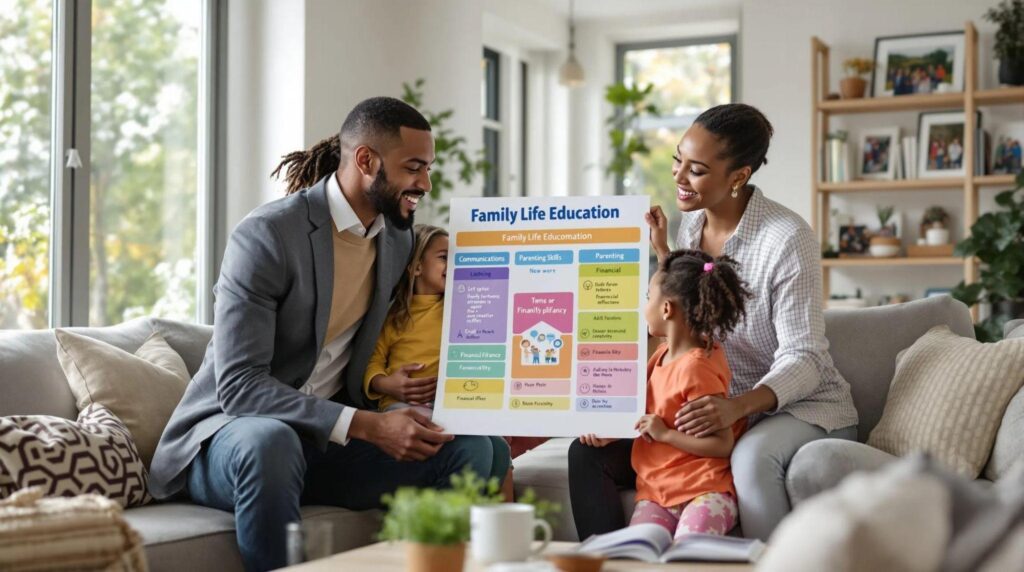
Family Life Education: Shaping Stronger Families for Tomorrow
Ever wondered how to turn your family into a well-oiled machine? You’re not alone. Family life education is the secret sauce that helps us navigate the bumpy roads of family dynamics, communication, and personal growth. It’s like a map for the journey of family life, helping us figure out where we are now and where we want to go. Plus, let’s face it: we all could use a bit of guidance when it comes to those tricky family conversations. So buckle up, because we’re about to jump into why family life education is essential for us today.
Understanding Family Life Education
Family life education is all about learning practical skills and knowledge that make family experiences more fulfilling. Essentially, it encompasses topics like communication, work-life balance, and relationship building. By focusing on the dynamics within family structures, we can enhance understanding and personal growth. Not limited to formal settings, family life education can be found in community programs, schools, and even online workshops. Essentially, it’s designed to uplift families and help them thrive together.
Key Components of Family Life Education
Let’s break it down. The foundation of family life education consists of several key components.
Communication Skills
First off, we have communication skills. This is where we learn to express our thoughts and feelings effectively. Strong communication fosters trust and minimizes misunderstandings in our families.
Parenting Skills
Next, parenting skills are essential. These skills help us guide our children emotionally and intellectually, shaping them into well-rounded individuals.
Conflict Resolution
Then comes conflict resolution. We often face disagreements: knowing how to navigate these safely can make or break family relationships.
Financial Literacy
Finally, financial literacy wraps it all up. Understanding budgeting and financial planning empowers us to make better life choices together.
Importance of Family Life Education in Today’s Society
Why does family life education matter? Well, we live in a fast-paced world filled with distractions and outside pressures. For us, family must be our anchor. Family life education teaches us how to maintain healthy relationships amidst the chaos.
Strengthening Bonds
By focusing on family life education, we strengthen our family bonds. It helps us avoid the pitfalls of modern life, like lack of communication or emotional disconnect.
Preparing for Change
Also, it prepares us for life changes. Whether it’s a new job or a family member moving out, family life education equips us to handle transitions smoothly.
Building Resilience
Finally, this education encourages resilience. Adversity is part of life: learning how to support each other makes us stronger.
Strategies for Implementing Family Life Education
So how do we start implementing family life education in our lives? Here are some strategies for us to consider:
Setting Family Goals
We can begin by setting family goals. Sit down together and discuss what matters most to us. From planning vacations to improving communication, setting goals helps align our family’s vision.
Regular Family Meetings
Another great strategy is holding regular family meetings. These gatherings promote open discussions and let everyone voice their opinions. It also provides a safe space for problem-solving.
Engaging in Community Resources
Don’t overlook community resources. Workshops, support groups, and educational programs can be incredibly beneficial. Engaging with others can provide fresh perspectives and insights.
Challenges in Family Life Education
Let’s be real: implementing family life education isn’t without its challenges.
Time Constraints
One major hurdle we face is time constraints. Between work, school, and other commitments, it can be tough to prioritize family learning.
Resistance to Change
Also, some family members may resist change, feeling uncomfortable discussing certain topics. Building an environment where everyone feels safe to share is crucial.
Access to Resources
Finally, not everyone has equal access to resources. Socioeconomic factors can play a significant role in our ability to participate in family life education programs.