
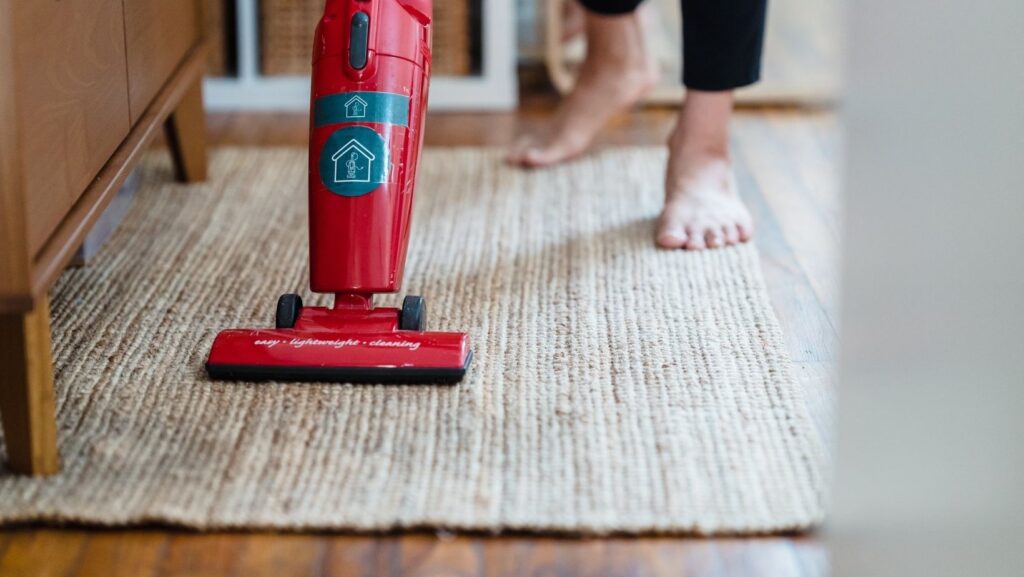
Vacuum cleaners have become fixtures of daily home life, yet their environmental footprint extends well beyond the living room floor. Every stage of a vacuum’s lifecycle carries genuine ecological consequences—from the mines where raw materials are extracted to the landfill or recycling facility where the appliance eventually ends up. While a cordless vacuum cleaner offers the obvious convenience of cord-free movement, its battery introduces a distinct set of environmental considerations that sit alongside broader concerns about energy consumption, manufacturing waste, and end-of-life disposal. Understanding these impacts gives households the knowledge to make more sustainable decisions.
Raw Material Extraction and Manufacturing Challenges
Building a modern vacuum cleaner demands plastics, metals, and—increasingly—lithium for rechargeable batteries. Lithium mining is among the more resource-intensive industrial processes on the planet: extracting a single tonne of lithium can consume hundreds of thousands of gallons of water, placing enormous strain on the arid regions where much of the world’s supply is found. Mining operations also risk chemical contamination of surrounding soil and waterways, with lasting consequences for local ecosystems and communities alike.
Key Takeaway: Mining for vacuum components places real pressure on global resources. Understanding where materials come from is the first step toward more conscious purchasing decisions.
Energy Consumption and Efficiency During Use
Not all vacuums consume energy in the same way. Brushless motors operate more efficiently than older brushed designs, drawing less power while delivering equivalent cleaning performance. HEPA filtration systems, though excellent for indoor air quality, can increase motor load significantly when filters become clogged. For battery-powered models, charging frequency and habits have a direct bearing on lifetime energy draw and associated carbon emissions.
Consider a practical example: households that clean their filters monthly and charge batteries only when genuinely depleted often report noticeable reductions in energy use over the course of a year—without any compromise to cleaning results.
Energy-saving tips:
– Clean filters monthly to maintain optimal airflow and motor efficiency.
– Charge batteries only when needed, and avoid unnecessary top-up cycles.
– Choose models with efficient brushless motors for a lower lifetime energy draw.
Waste Generation, Battery Risks, and Disposal Issues
Disposable filters, worn brush rolls, and broken attachments all contribute steadily to household waste streams. More pressing, however, is the issue of lithium-ion batteries. When improperly discarded, they can leach toxic chemicals into soil and groundwater. Battery failures also carry the risk of releasing flammable gases, creating fire hazards at waste-processing facilities. Despite these well-documented dangers, a significant number of batteries still end up in general landfill, largely due to limited consumer awareness of dedicated recycling programmes.
Strategies for Reducing Environmental Footprint
Extending a vacuum’s usable life is one of the most straightforward and effective ways to reduce its overall environmental impact. Families who replace worn components—brush rolls, filters, belts—rather than buying an entirely new unit can add several years to an appliance’s lifespan, substantially cutting down on e-waste generation.
| Aspect | High-Impact Practice | Low-Impact Alternative |
|---|---|---|
| Battery Use | Frequent full charges | Partial charges in moderation |
| Filter Management | Disposable replacements | Washable, reusable options |
| End-of-Life | Landfill disposal | Recycling programmes for batteries |
Prioritise repair over replacement to reduce waste and ease demand for new raw materials.
Maintenance Best Practices for Longevity and Sustainability
Consistent upkeep preserves both performance and component lifespan. Research into vacuum performance under real-world dust loads confirms that neglected filters measurably increase particle emissions over time, gradually degrading indoor air quality in the process.
Maintenance checklist:
1. Clean or wash filters every four weeks.
2. Remove tangled debris from brush rolls after each use.
3. Store the appliance in a cool, dry location to protect battery cells.
4. Inspect seals and attachments periodically for signs of wear.
5. Locate a certified battery recycling drop-off point well before disposal becomes necessary.
Final Reflections on Sustainable Cleaning Choices
Every vacuum cleaner carries an environmental story—one that begins in a mine and ends in either a recycling facility or a landfill. By understanding that full lifecycle and adopting practical habits such as routine maintenance, reusable filters, and responsible disposal, households can make a meaningful dent in their ecological footprint. Small, consistent choices, multiplied across millions of homes, accumulate into a genuinely significant collective impact. The question worth sitting with is simple: does your current cleaning routine lean toward repair and longevity, or toward convenience and replacement? The answer shapes far more than a tidy floor.